
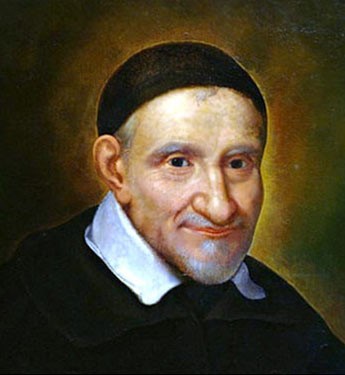
 St. Vincent was born in 1581 in the village of Pouy in Gascony, in the Province of Guyenne and Gascony, the
Kingdom of France, to peasant farmers, father Jean and mother Bertrande de Moras de Paul. There was in the
vicinity, a stream named the "Paul" and it is believed that this might have been the derivation of the family
name. He wrote the name as one word – Depaul, possibly to avoid the inference that he was of noble birth, but
none of his correspondents did so. He had three brothers – Jean, Bernard and Gayon, and two sisters – Marie and
Marie-Claudine.[3] He was the third child. At an early age, he showed a talent for reading and writing but
during his childhood, his work was as a herder of his family's livestock. At 15, his father sent him to
seminary, managing to pay for it by selling the family’s oxen. Vincent's interest in the priesthood at that
time, was largely with the intent to establish a successful career and obtain a benefice, with which he could
retire early and support the family.
St. Vincent was born in 1581 in the village of Pouy in Gascony, in the Province of Guyenne and Gascony, the
Kingdom of France, to peasant farmers, father Jean and mother Bertrande de Moras de Paul. There was in the
vicinity, a stream named the "Paul" and it is believed that this might have been the derivation of the family
name. He wrote the name as one word – Depaul, possibly to avoid the inference that he was of noble birth, but
none of his correspondents did so. He had three brothers – Jean, Bernard and Gayon, and two sisters – Marie and
Marie-Claudine.[3] He was the third child. At an early age, he showed a talent for reading and writing but
during his childhood, his work was as a herder of his family's livestock. At 15, his father sent him to
seminary, managing to pay for it by selling the family’s oxen. Vincent's interest in the priesthood at that
time, was largely with the intent to establish a successful career and obtain a benefice, with which he could
retire early and support the family.
For two years, Vincent received his education at a college in Dax,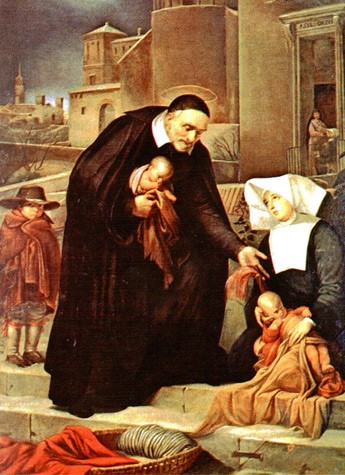 France
adjoining a monastery of the Friars
Minor where he and others resided. In 1597, he began his studies in the Faculty of Theology at the University
of Toulouse. The atmosphere at the university was anything but pious or conducive to spiritual contemplation.
Fights broke out between various factions of students which escalated into armed battles. During the course of
the unrest, an official was murdered by two students. Nevertheless, he continued his studies and was able to
help pay for his education by tutoring others. He was ordained on 23 September 1600 at the age of nineteen in
Château-l'Évêque, near Périgueux. This was against the regulations established by the Council of Trent which
required a minimum of 24 years of age for ordination, so when he was appointed parish priest in Tilh, the
appointment was appealed against in the Court of Rome. Rather than respond to a lawsuit in which he would
probably not have prevailed, he resigned from the position and continued his studies. On 12 October 1604 he
received his Bachelor of Theology from the University of Toulouse. Later he received a Licentiate in Canon Law
from the University of Paris.
France
adjoining a monastery of the Friars
Minor where he and others resided. In 1597, he began his studies in the Faculty of Theology at the University
of Toulouse. The atmosphere at the university was anything but pious or conducive to spiritual contemplation.
Fights broke out between various factions of students which escalated into armed battles. During the course of
the unrest, an official was murdered by two students. Nevertheless, he continued his studies and was able to
help pay for his education by tutoring others. He was ordained on 23 September 1600 at the age of nineteen in
Château-l'Évêque, near Périgueux. This was against the regulations established by the Council of Trent which
required a minimum of 24 years of age for ordination, so when he was appointed parish priest in Tilh, the
appointment was appealed against in the Court of Rome. Rather than respond to a lawsuit in which he would
probably not have prevailed, he resigned from the position and continued his studies. On 12 October 1604 he
received his Bachelor of Theology from the University of Toulouse. Later he received a Licentiate in Canon Law
from the University of Paris.
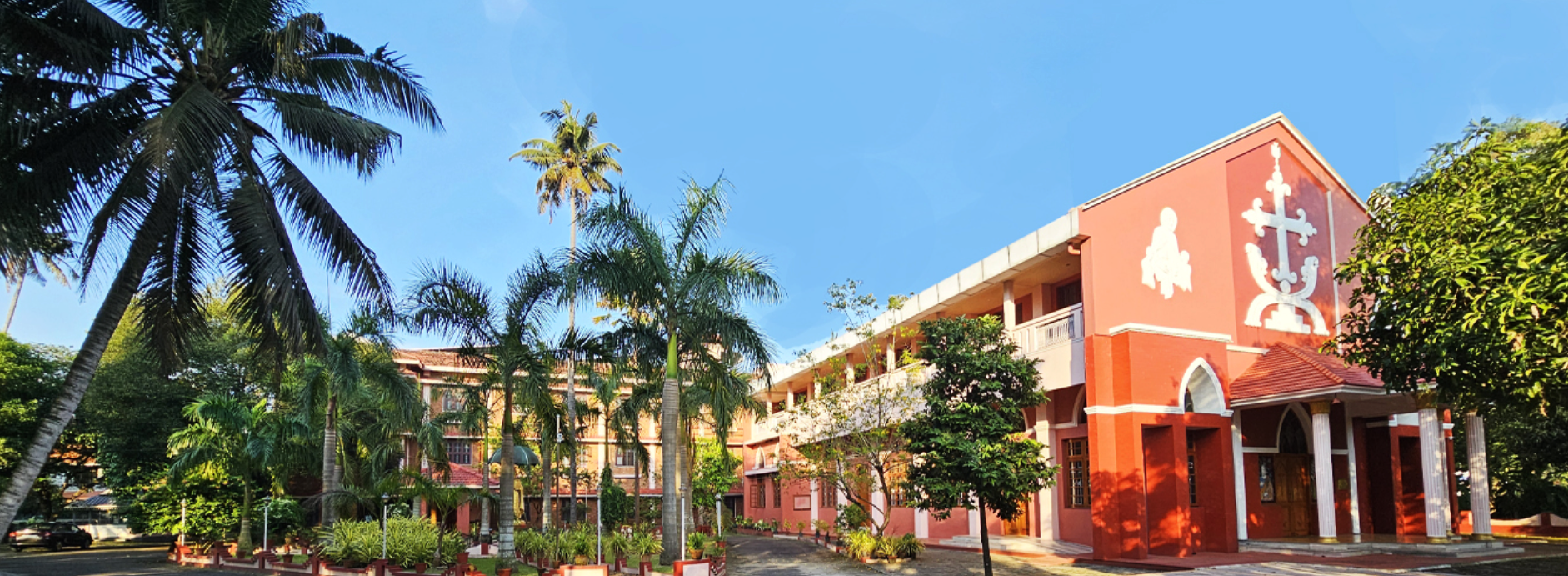
Vincentian Congregation (V.C) is a clerical society of the Pontifical Right belonging to the Syro-Malabar Archiepiscopal Church in the Catholic fold. The VC was established in 1904 at Thottakam by Rev. Fr. Varkey Kattarath, the then Vicar of Vaikom, based on the common rules of 17th century French priest St. Vincent De Paul on the model of the Congregation of the Mission, founded by him in 1625. Over the centuries, by extending exemplary services to the humanity, VC gained its existing position in the society. The growth of the Congregation was accelerated with the formation of many provinces in many parts of the world. Being motivated by the teachings St. Vincent De Paul, the founding fathers of VC endeavor to promote the Spiritual, Moral, Social, Educational and Economic development of the people by means of its Spiritual Renewal Programme, Social Service Projects, Schools, Colleges, Technical Training Institutes, Cultural Centers and so on in various parts of the world. The congregation emphasizes academic excellence, service to the community, access to education and respect for the individual.
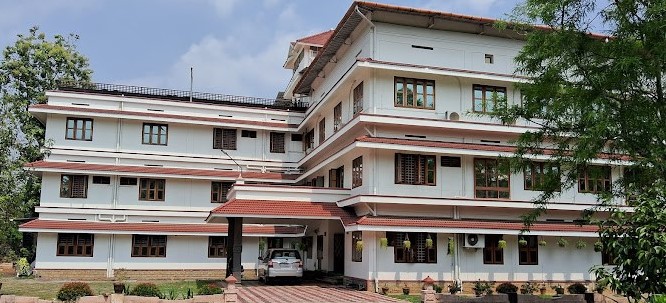
Marymatha Province is one of the provinces under the Vincentian Congregation. Various educational institutions are run by the province in the different places of India and Africa. The administrative centre of the province is located at Angamaly South. This is also in educational hub considering of the following intuition.